
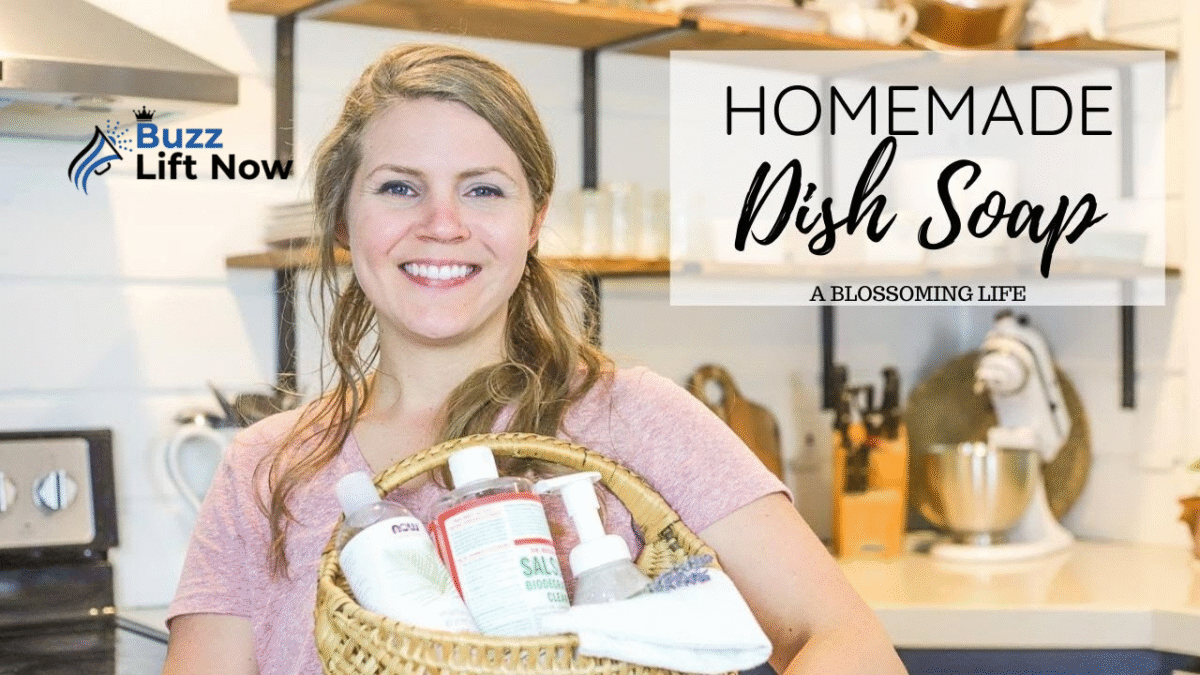

Homemade dish soap has become a popular alternative to commercial dishwashing liquids, and for good reason. More people are paying attention to what goes into the products they use every day. From concerns about harsh chemicals to the desire for eco-friendly living, the shift toward homemade dish soap reflects a growing awareness of health, sustainability, and cost savings.
When you make homemade dish soap, you gain control over the ingredients. You know exactly what touches your plates, glasses, and cooking utensils. That matters because dish soap residue can remain on surfaces that come into contact with your food. Choosing a natural dishwashing solution helps reduce exposure to synthetic fragrances, artificial dyes, and potentially irritating chemicals.
This comprehensive guide explores everything you need to know about homemade dish soap. You will learn how it works, what ingredients to use, how to customize it, and how to ensure it cleans effectively. Whether you are new to DIY cleaning products or already making your own laundry detergent and surface sprays, this article will help you create a reliable and safe homemade dish soap that fits your lifestyle.
Why Choose Homemade Dish Soap Over Store-Bought Options
The average commercial dishwashing liquid contains surfactants, preservatives, artificial scents, and sometimes antibacterial agents. While many products are considered safe when used properly, some people experience skin irritation, dryness, or allergic reactions.
Homemade dish soap offers a simpler ingredient list. Many DIY recipes rely on plant-based surfactants, natural oils, and biodegradable components. This approach reduces the number of synthetic additives and makes the cleaning solution more environmentally friendly.
Another reason to switch to homemade dish soap is environmental impact. According to the Environmental Protection Agency, household cleaning products can contribute to indoor air pollution and wastewater contamination. By choosing biodegradable ingredients, you help minimize the ecological footprint of your daily dishwashing routine.
Cost savings also play a major role. Commercial dish soap may seem inexpensive, but over time, repeated purchases add up. Making homemade dish soap in batches allows you to reduce long-term costs while maintaining cleaning power.
Finally, creating your own homemade dish soap encourages mindful living. It aligns with a zero-waste or low-tox lifestyle, especially when you reuse old soap dispensers and buy ingredients in bulk.
How Homemade Dish Soap Works
To understand homemade dish soap, it helps to understand how dishwashing liquids work in general. Soap and detergent function because of surfactants. Surfactants have two ends: one that attracts water and another that attracts grease. This dual action allows oil and food particles to be lifted from dishes and rinsed away with water.
In homemade dish soap, common surfactants include liquid castile soap or plant-derived cleansing bases. Castile soap, traditionally made from olive oil, is a versatile and biodegradable cleanser. Modern castile soap brands often include coconut or hemp oil for additional lather and grease-cutting ability.
Baking soda may be added to enhance cleaning performance by acting as a mild abrasive and deodorizer. Essential oils can provide fragrance and light antibacterial properties, though they are optional. The key is balancing grease removal with skin safety and environmental friendliness.
When prepared correctly, homemade dish soap can clean everyday dishes just as effectively as many conventional brands, especially for regular household use.
Essential Ingredients for Homemade Dish Soap
The beauty of homemade dish soap lies in its flexibility. You can keep the formula simple or customize it based on your preferences.
A common base ingredient is liquid castile soap. This plant-based soap provides the core cleaning power. It creates foam and breaks down grease naturally.
Distilled water is often used to dilute the soap and achieve the right consistency. Using distilled water instead of tap water helps prevent mineral buildup and extends shelf life.
Washing soda or baking soda may be included to enhance degreasing and deodorizing properties. These ingredients are gentle yet effective at cutting through food residue.
Vegetable glycerin can be added to protect your hands from dryness. Since frequent dishwashing can strip natural oils from your skin, glycerin helps maintain moisture.
Essential oils such as lemon, tea tree, or lavender provide natural fragrance. Tea tree oil is often valued for its antimicrobial qualities, while lemon oil offers a fresh scent and grease-cutting support. However, essential oils should be used carefully and in small amounts, especially if children or pets are present.
When crafting homemade dish soap, always mix ingredients thoroughly and store the mixture in a clean, airtight container. Shake before use if separation occurs.
A Simple Homemade Dish Soap Recipe
Creating homemade dish soap does not require advanced skills. A basic recipe typically combines liquid castile soap, distilled water, and a small amount of washing soda. The mixture is stirred gently to avoid excessive foaming and poured into a reusable dispenser.
If you prefer a thicker consistency, you can adjust the water ratio or experiment with natural thickeners such as xanthan gum in small quantities. Start with small batches to test the formula and make adjustments based on your needs.
Keep in mind that homemade dish soap may not produce the same level of suds as commercial detergent. However, more bubbles do not necessarily mean better cleaning. The actual cleaning power depends on the surfactants and how well the soap breaks down grease.
Customizing Your Homemade Dish Soap
One of the greatest advantages of homemade dish soap is customization. You can tailor it to suit your preferences, skin type, and cleaning habits.
For sensitive skin, choose unscented castile soap and avoid essential oils. Add a small amount of vegetable glycerin to reduce dryness.
For heavy grease, increase the proportion of castile soap slightly or add a small amount of natural citrus oil. Lemon essential oil can enhance grease-cutting power while leaving a fresh scent.
If sustainability is your priority, purchase ingredients from eco-conscious brands and store your homemade dish soap in glass or stainless steel containers instead of plastic.
You can even experiment with herbal infusions. For example, steeping dried rosemary or lavender in distilled water before mixing can add subtle fragrance without relying solely on essential oils.
By adjusting these elements, your homemade dish soap becomes more than a cleaning product. It becomes a reflection of your values and lifestyle.
Safety and Shelf Life Considerations
Homemade dish soap generally has a shorter shelf life than commercial products because it lacks synthetic preservatives. To maximize freshness, make small batches that you can use within a few weeks.
Store your homemade dish soap in a cool, dry place away from direct sunlight. If you notice changes in smell, texture, or color, discard the mixture and prepare a fresh batch.
Hygiene is important when making any DIY cleaning product. Use clean utensils and sterilized containers to prevent contamination.
If you experience skin irritation, discontinue use and adjust the formula. Even natural ingredients can cause sensitivity in some individuals.
For additional information on safe cleaning practices, resources from the Centers for Disease Control and Prevention provide general guidance on household hygiene and proper cleaning techniques.
Comparing Homemade Dish Soap and Commercial Brands
Commercial dishwashing liquids are designed for convenience, long shelf life, and strong grease-cutting power. Some brands invest heavily in research and development to optimize cleaning performance.
Homemade dish soap, on the other hand, focuses on simplicity and transparency. You sacrifice some of the advanced formulations but gain control over what goes into your product.
For heavily soiled cookware, you may need to soak dishes longer when using homemade dish soap. However, for everyday plates, glasses, and utensils, most homemade solutions perform well.
The choice ultimately depends on your priorities. If you value natural ingredients, lower environmental impact, and cost efficiency, homemade dish soap is a practical solution.
The Environmental Impact of Homemade Dish Soap
Switching to homemade dish soap supports a more sustainable kitchen routine. Many conventional dish soaps contain ingredients that may not be fully biodegradable. Over time, these chemicals enter waterways.
By using plant-based surfactants and minimal additives, homemade dish soap reduces the chemical load entering wastewater systems. It also decreases plastic waste when you reuse containers.
If you are committed to reducing your environmental footprint, homemade dish soap pairs well with other sustainable habits such as composting, reducing food waste, and using reusable cleaning cloths.
Small changes in daily routines can create meaningful long-term environmental benefits.
Tips for Getting the Best Results
To maximize the effectiveness of homemade dish soap, scrape excess food from dishes before washing. Use warm water to improve grease removal. Allow heavily soiled pans to soak for several minutes.
Use a high-quality dish brush or sponge to enhance cleaning performance. The mechanical action of scrubbing works together with homemade dish soap to remove residue efficiently.
Avoid using homemade dish soap in automatic dishwashers unless the recipe is specifically designed for that purpose. Dishwasher detergent formulas are different and require low-sudsing ingredients.
By following these simple practices, your homemade dish soap can perform reliably in daily use.
Conclusion
Homemade dish soap is more than a trend. It represents a shift toward conscious living, transparency, and environmental responsibility. By choosing to make your own dishwashing liquid, you reduce exposure to unnecessary chemicals, lower your environmental impact, and save money over time.
With the right balance of plant-based surfactants, natural additives, and thoughtful preparation, homemade dish soap can handle everyday kitchen cleaning tasks effectively. While it may not produce the dramatic suds of commercial products, its performance, safety, and sustainability make it a compelling alternative.
If you are ready to embrace a cleaner and greener lifestyle, homemade dish soap is an excellent place to start. Experiment with small batches, refine your formula, and enjoy the satisfaction of using a product you crafted yourself.
Frequently Asked Questions About Homemade Dish Soap
What is the main ingredient in homemade dish soap?
The main ingredient in most homemade dish soap recipes is liquid castile soap. It acts as the primary surfactant that breaks down grease and lifts food particles from dishes.
Is homemade dish soap as effective as store-bought versions?
Homemade dish soap can be very effective for everyday cleaning. While it may not produce as many suds, it still cuts grease and cleans dishes well when used properly.
How long does homemade dish soap last?
Homemade dish soap typically lasts a few weeks to a couple of months, depending on the ingredients and storage conditions. Making small batches helps maintain freshness.
Can I use homemade dish soap in a dishwasher?
Most homemade dish soap recipes are designed for handwashing dishes. Dishwasher detergents require low-sudsing formulas, so standard homemade dish soap is not recommended for automatic dishwashers.
Is homemade dish soap safe for sensitive skin?
Homemade dish soap can be safer for sensitive skin, especially if you use unscented ingredients and avoid essential oils. Adding vegetable glycerin can help prevent dryness.