
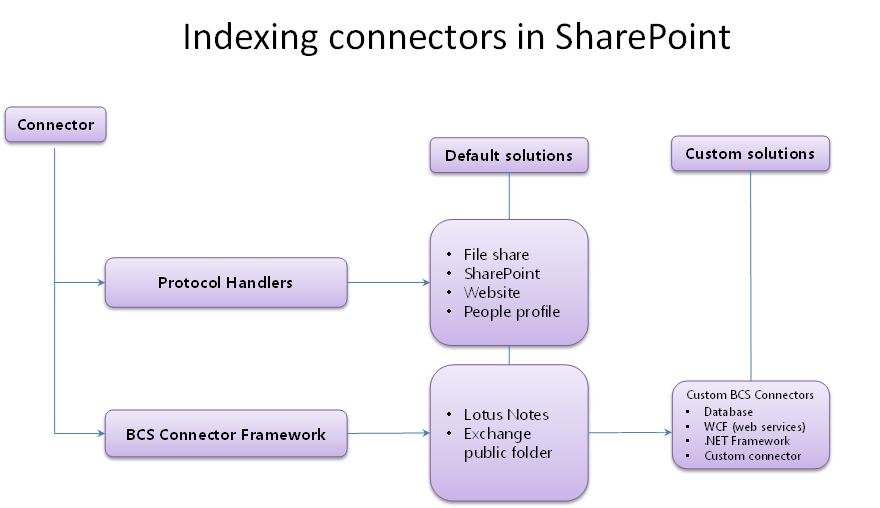

Choosing the right search tool for a business can be a daunting task, particularly with the array of options available on the market. Sharepoint 2010 Connector for Search, for instance, has specific integration capabilities for Sharepoint environments that may not be replicated by traditional search tools.
Understanding the nuances between specialized connectors and general search technologies is vital for making an informed decision that aligns with your company’s data requirements and user needs. In this article, we explore the differences and help outline which tool could be the best fit for your organization.
Sharepoint 2010 Connector for Search: An Overview
The Sharepoint 2010 Connector for Search is designed specifically for businesses that utilize Sharepoint 2010 as their primary content management system. It allows seamless integration with Sharepoint sites, enhancing the search experience by indexing both the content and the metadata found within Sharepoint.
Its integration with the Sharepoint security model ensures that users only see the search results they are authorized to view, maintaining data privacy and compliance. This customized approach is particularly effective for organizations deeply embedded in the Sharepoint ecosystem, providing them with a tailored search experience that honors existing permissions and data structures.
When considering the sharepoint 2010 connector for search, evaluate how deeply your current workflows are tied to Sharepoint. If your organization’s document storage and collaboration activities are heavily reliant on Sharepoint, then leveraging this connector could significantly enhance productivity and user satisfaction. sharepoint 2010 connector for search
Traditional Search Tools in Modern Enterprise Environments
On the other hand, traditional search tools offer a broader approach to search and indexing. These tools are designed to work across multiple content repositories and are not limited to a single ecosystem like Sharepoint. This makes them suitable for businesses that store documents and data across various platforms.
Traditional search tools generally focus on delivering a wide array of functionalities, from keyword matching to natural language processing, to serve organizations with diverse search criteria. Some traditional tools can even be customized or extended to connect with Sharepoint, although this might require additional setup and configuration.
For businesses operating across multiple platforms, or those not solely tied to Sharepoint, a traditional search tool might provide the flexibility needed. Carefully assess your organization’s current and future structure to determine if a broader search tool would be beneficial, facilitating cross-platform search capabilities that adapt to various data sources. Choosing the right technology for your enterprise’s unique landscape can be a game-changer.
Comparing Performance: Sharepoint Connector vs Traditional Search
Performance is a critical factor when comparing the Sharepoint 2010 Connector for Search with traditional search tools. The specialized nature of the Sharepoint connector can lead to more efficient searches within that environment, due to its optimization for Sharepoint’s specific architecture and data formats.
Traditional search tools may offer greater flexibility but could suffer from performance issues if they are not adequately configured to handle the distinct characteristics of Sharepoint data. The key is to strike a balance between the extent of search functionality required and the performance level needed to support the users’ search demands without considerable lag or inaccuracy.
Implement a proof of concept or a pilot program to test the performance of both solutions before committing to one. This process will provide a hands-on opportunity to evaluate the search speed, accuracy, and user experience each type of tool can deliver in your organization’s real-world scenario. Proof of concept benefits significantly in making an informed decision.
Making the Right Choice for Your Organization’s Search Needs
The decision between the Sharepoint 2010 Connector for Search and traditional search tools depends on your organization’s specific circumstances and needs. Consider factors like the existing IT infrastructure, the nature of the data being searched, user requirements, and the overall search strategy of your enterprise.
While the Sharepoint connector offers advantages within its designed environment, traditional search tools provide versatility across various platforms. Additionally, consider the long-term perspective, including maintenance, scalability, and future upgrades, as technology and organizational needs evolve.
Seek input from both the IT department and end-users when making your choice. Feedback from users who rely on search functions daily can provide valuable insights into the practical effectiveness of the search tool. This inclusive approach ensures that the final decision reflects both technological compatibility and user satisfaction.
Ultimately, the right search solution should balance specialized functionality with broad compatibility, while ensuring it aligns with the organization’s overall search strategy. Whether it’s the Sharepoint 2010 Connector for Search or a traditional search tool, the choice should bolster efficiency, collaboration, and information discovery within your enterprise. By carefully weighing the options and considering the unique search requirements of your organization, you can make a choice that supports the productivity and agility of your workforce.