
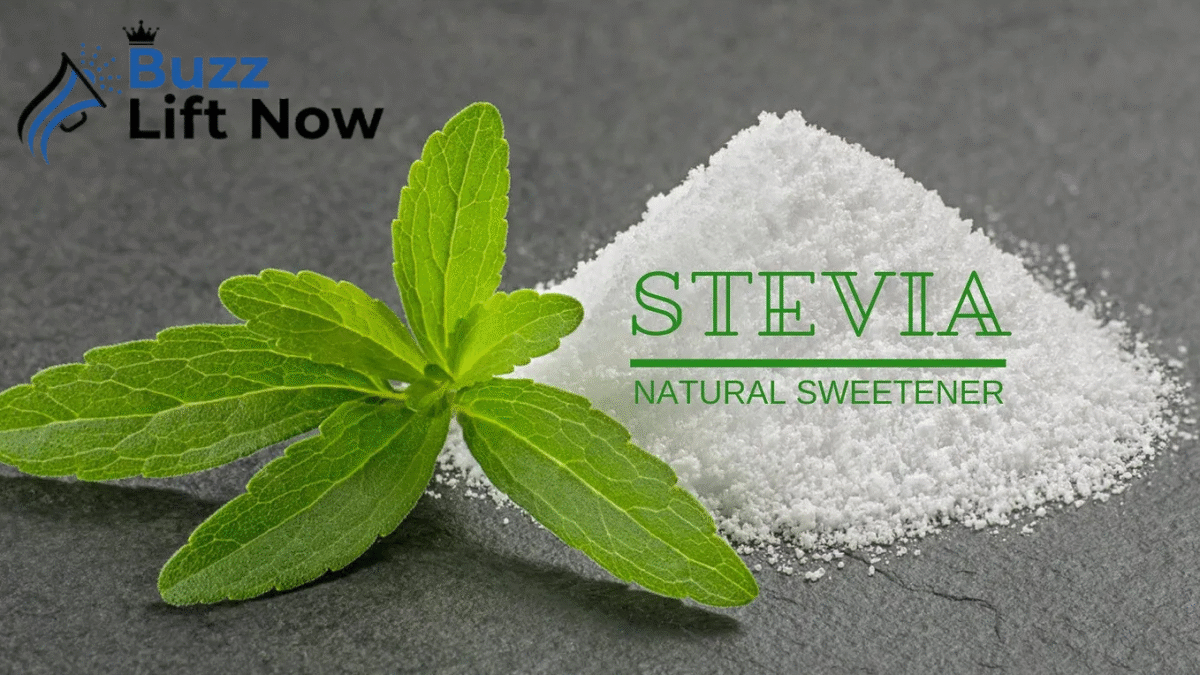

why was stevia banned comes from the leaves of the Stevia rebaudiana plant, native to South America. For centuries, people in Paraguay and Brazil used it to sweeten herbal teas and medicines. They didn’t think of it as a chemical or artificial product. It was simply nature doing its thing.
Yet, when stevia reached global markets, governments treated it like a potential risk. Why? Let’s dig in.
The Big Question: Why Was Stevia Banned?
Many people assume there was a dark secret about stevia — like hidden dangers or toxic effects. But the truth is far more practical.
Stevia was “banned” or restricted in several countries, including the United States and parts of Europe, mainly because:
- Scientists lacked long-term safety research at the time.
- Early animal studies raised questions about fertility and cancer (later disproven).
- Food regulators tend to move slowly — especially when something new challenges billion-dollar sugar and artificial sweetener industries.
So when governments asked, “Is it 100% safe?” the answer back then was simply, “We don’t know yet.” And that uncertainty pushed stevia into regulatory limbo — the main reason people today still ask, why was stevia banned?
How Regulation Works — And Why It Slowed Stevia Down
Food safety rules are designed to protect the public. Before something becomes widely used, regulators require:
- Human studies
- Animal testing
- Long-term research
- Clear manufacturing guidelines
Without that data, even natural foods can be rejected.
When stevia first entered the U.S. marketplace in the 1980s, those data sets didn’t exist. So, the U.S. Food and Drug Administration (FDA) decided to block stevia as a food ingredient. It could still be sold as a dietary supplement, but not as a sweetener.
Not banned everywhere. Not banned forever. Simply not approved.
That nuance matters when talking about why was stevia banned.
Early Studies That Sparked Fear
A few early experiments suggested stevia might:
- Affect male fertility in rats
- Interfere with blood sugar
- Possibly link to DNA damage
Scientists later realized those studies had problems — including unrealistic doses far higher than any human would ever consume. But by then, the damage was done. Regulators chose caution.
It’s easy to see why consumers wonder: why was stevia banned if later research cleared it?
Because science evolves. And in the beginning, there were more questions than answers.
A Turning Point — New Research Changes Everything
As years went by, researchers conducted better-designed studies. They looked at:
- Human blood sugar response
- Long-term toxicity
- Effects on pregnancy
- Organ health
- Metabolism
The conclusion? Purified steviol glycosides — the sweet compounds inside stevia — are safe when used properly.
Major organizations eventually agreed, including:
- The World Health Organization (WHO)
- The Food and Agriculture Organization (FAO)
- The European Food Safety Authority (EFSA)
- The U.S. FDA (for purified forms)
This new wave of evidence shifted the conversation from “why was stevia banned” to “how can we safely use it?”
Where Stevia Stands Around the World Today
Here’s a simple comparison:
| Region | Past Status | Current Status |
|---|---|---|
| United States | Restricted as food | Approved for purified forms |
| European Union | Not allowed at first | Approved since 2011 |
| Japan | Widely used early | Still common |
| South America | Traditional use | Still natural sweetener |
| Canada | Delayed approval | Now allowed in foods |
So, even though people ask why was stevia banned, today, it’s legal across most major markets.
However, note one key detail…
Whole leaf stevia and crude extracts are still restricted in some places because they’re less standardized. Regulators prefer purified versions — since they know the exact dosage.
Health Benefits That Helped Change Opinions
Once scientists understood stevia better, they found encouraging benefits:
- Doesn’t raise blood sugar
- Contains zero calories
- Supports weight-control diets
- May help people with diabetes (under medical guidance)
- Reduces risk of cavities compared to sugar
Suddenly, stevia wasn’t a “mystery plant” anymore. It became part of the global push for healthier alternatives to sugar.
That shift in understanding is a big reason the old question — why was stevia banned — feels outdated now.
Myths vs. Facts About Stevia
Let’s clear up a few common myths:
- Myth: Stevia causes cancer
Fact: Modern studies show no cancer link at approved levels. - Myth: Governments banned it to protect sugar companies
Fact: While industries may influence trends, the ban mainly came from lack of research. - Myth: Natural foods are always automatically approved
Fact: Even natural plants must prove safety.
Those facts help explain why was stevia banned, without jumping to conspiracy theories.
Practical Safety Tips When Using Stevia
Even with approval, wise use matters:
- Choose brands labeled “steviol glycosides” or Reb-A.
- Avoid over-consumption just because it’s calorie-free.
- If you’re pregnant, diabetic, or taking medications, talk to a doctor first.
- Watch for blends — some products mix stevia with sugar alcohols.
Used responsibly, stevia can be a smart swap — especially if you’re cutting sugar.
So… Was the Ban a Bad Thing?
Surprisingly, no.
The temporary restrictions forced researchers to test stevia carefully. Today, consumers enjoy a safer, regulated product thanks to that process.
Sometimes, slow science protects us — even when it feels frustrating.
So when people ask, why was stevia banned, the real answer is:
“Because regulators needed proof first — and now they have it.”
Final Thoughts: Why Was Stevia Banned — And What It Means Today
The story of stevia teaches an important lesson. Being natural doesn’t always mean automatic approval. Governments want strong evidence, not guesswork. At first, stevia didn’t have enough data behind it — which explains why was stevia banned.
But over time, research showed it could be safe, useful, and even beneficial when consumed wisely. Today, stevia stands as a trusted sweetener around the globe, offering a healthier alternative to sugar — without losing sweetness.
In short, the road was rocky, the process was slow, and the questions were big. Yet thanks to careful science, we finally understand why was stevia banned, and more importantly, why it’s embraced today.