
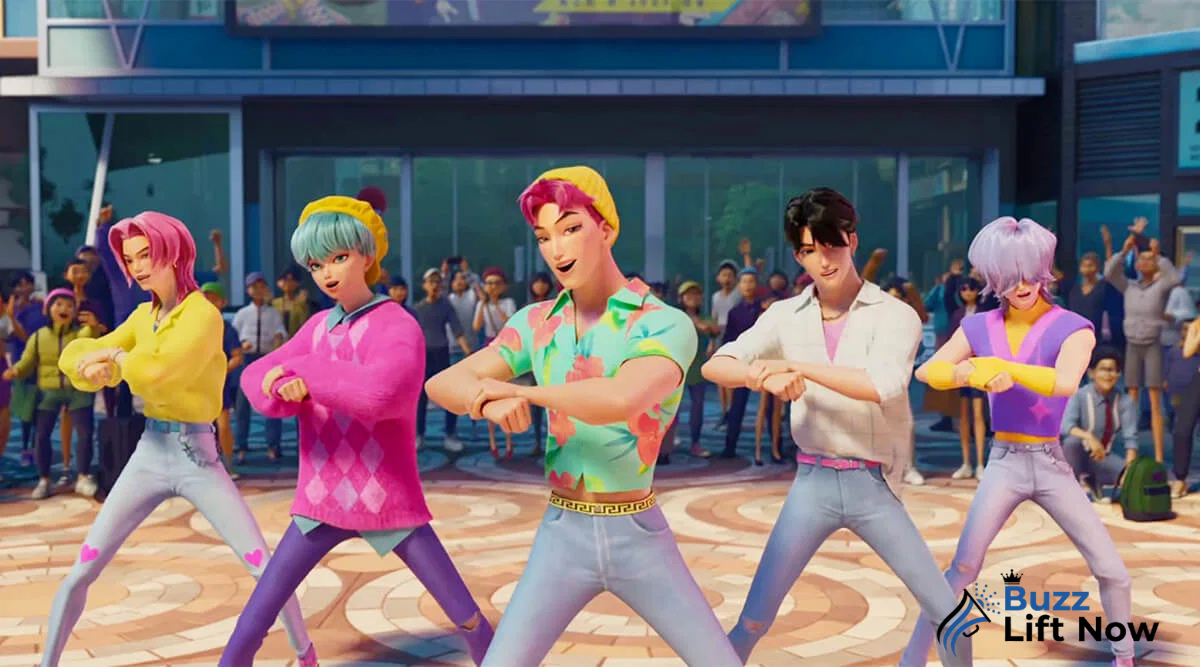

The global influence of K-pop has gone far beyond music, evolving into a powerful cultural phenomenon that blends fashion, storytelling, and cinematic artistry. One of the most intriguing and rapidly growing concepts within this space is “kpop demon hunters.” This unique fusion of idol culture with supernatural storytelling has captured the imagination of fans worldwide, creating a fresh genre that mixes high-energy performances with dark fantasy themes.
The concept of kpop demon hunters combines the glamorous world of K-pop idols with thrilling narratives involving demons, secret identities, and epic battles between good and evil. It reflects a broader trend in Korean entertainment where storytelling extends beyond traditional music videos into immersive universes. As audiences crave deeper engagement, the idea of kpop demon hunters offers both visual spectacle and narrative depth, making it a compelling topic for fans and creators alike.
In this article, we will explore the origins, appeal, storytelling elements, and future of kpop demon hunters, while also understanding why this concept is becoming a defining trend in modern entertainment.
The Origins of Kpop Demon Hunters
The idea of kpop demon hunters did not emerge overnight. It is rooted in South Korea’s long-standing tradition of blending mythology with modern media. Korean folklore is rich with tales of spirits, goblins, and supernatural beings, which have often been adapted into dramas and films.
As K-pop evolved into a global industry, entertainment companies began experimenting with storytelling formats. Music videos started incorporating cinematic narratives, often hinting at alternate realities and hidden identities. The concept of kpop demon hunters naturally grew from this evolution, merging idol personas with supernatural roles.
This trend also draws inspiration from popular Korean dramas and webtoons that feature demon hunters or exorcists. By integrating these themes into K-pop, creators found a way to connect music with storytelling, offering fans a multi-layered experience.
Why Kpop Demon Hunters Are So Popular
The popularity of kpop demon hunters can be attributed to several factors, including the global appetite for fantasy content and the emotional connection fans have with idols. This concept allows fans to see their favorite artists in a completely new light, transforming them from performers into heroes battling dark forces.
Another reason behind the success of kpop demon hunters is the visual appeal. K-pop is already known for its high production value, and when combined with supernatural elements, it creates stunning visuals that stand out in a crowded entertainment landscape.
Storytelling also plays a crucial role. Fans are no longer satisfied with standalone songs; they want narratives that unfold over time. The kpop demon hunters concept provides continuity, encouraging fans to follow storylines across multiple releases.
The Core Elements of Kpop Demon Hunters
At the heart of kpop demon hunters lies a combination of music, storytelling, and visual aesthetics. These elements work together to create an immersive experience that goes beyond traditional entertainment.
One of the defining features is the dual identity of idols. In this concept, performers often have a public persona as K-pop stars and a hidden identity as demon hunters. This duality adds depth to their characters and makes the narrative more engaging.
Another important element is the use of symbolism. Music videos often include visual clues, such as mystical symbols, dark imagery, and hidden messages that hint at a larger story. Fans actively analyze these details, creating theories and discussions that keep the concept alive.
The integration of action sequences is also significant. Unlike typical music videos, kpop demon hunters often include choreographed fight scenes that blend seamlessly with dance performances. This combination of action and music creates a unique viewing experience.
Storytelling Techniques in Kpop Demon Hunters
The storytelling approach in kpop demon hunters is one of its strongest aspects. Unlike traditional narratives, this concept often uses non-linear storytelling, where pieces of the story are revealed gradually.
Music videos act as chapters in a larger story, each adding new layers to the narrative. This approach keeps fans engaged, as they must piece together the storyline from various clues.
Another technique used in kpop demon hunters is world-building. Creators develop entire universes with their own rules, characters, and histories. This level of detail makes the concept feel more real and immersive.
Character development is also essential. Idols are portrayed as complex individuals with strengths, weaknesses, and personal struggles. This emotional depth helps fans connect with the story on a deeper level.
The Role of Visual Aesthetics
Visual aesthetics play a crucial role in defining the identity of kpop demon hunters. The combination of dark fantasy elements with K-pop’s signature style creates a striking contrast that captures attention.
Costume design is a key aspect of this aesthetic. Outfits often include elements such as leather, metallic accents, and symbolic accessories that reflect the characters’ roles as demon hunters.
Lighting and color schemes are also carefully chosen to enhance the mood. Dark tones, neon highlights, and dramatic contrasts are commonly used to create a sense of mystery and intensity.
Special effects further elevate the experience. From glowing eyes to supernatural powers, these effects bring the concept of kpop demon hunters to life, making it visually captivating.
The Influence of Global Trends
The rise of kpop demon hunters is not just a local phenomenon; it reflects global trends in entertainment. Fantasy and supernatural themes have become increasingly popular worldwide, thanks to the success of movies, series, and games in this genre.
K-pop has always been quick to adapt to global trends, and the integration of demon hunter narratives is a natural extension of this adaptability. By combining global themes with Korean cultural elements, kpop demon hunters appeal to a wide audience.
Social media also plays a significant role in spreading this trend. Fans share theories, edits, and interpretations, creating a community that actively participates in the storytelling process.
The Impact on Fans and Fandom Culture
The concept of kpop demon hunters has had a profound impact on fandom culture. It has transformed passive listeners into active participants who engage with the content on multiple levels.
Fans analyze music videos, decode hidden messages, and create their own interpretations of the story. This level of engagement strengthens the bond between artists and their audience.
Fan art and fan fiction are also influenced by the kpop demon hunters concept. Creators within the fandom expand the narrative, adding new dimensions to the story.
This interactive aspect makes the experience more personal and meaningful, contributing to the overall success of the concept.
The Future of Kpop Demon Hunters
The future of kpop demon hunters looks promising, as entertainment companies continue to explore new ways to engage audiences. With advancements in technology, the possibilities for storytelling are expanding.
Virtual reality and augmented reality could play a significant role in the evolution of this concept. Imagine experiencing a kpop demon hunters storyline in an interactive environment where fans can explore the world themselves.
Collaborations with other media, such as webtoons, games, and films, are also likely to increase. This cross-platform approach will further enhance the storytelling experience and attract a broader audience.
As the demand for immersive content continues to grow, kpop demon hunters are expected to become an even more prominent part of the entertainment industry.
Conclusion
The concept of kpop demon hunters represents a fascinating intersection of music, storytelling, and visual art. It showcases the innovative spirit of K-pop and its ability to adapt to changing audience preferences.
By blending the glamour of idol culture with the excitement of supernatural narratives, kpop demon hunters offer a unique and engaging experience. This trend not only highlights the creativity of the industry but also reflects the evolving nature of entertainment in the digital age.
As fans continue to seek deeper connections with content, the popularity of kpop demon hunters is likely to grow. It stands as a testament to the power of storytelling and the endless possibilities of combining different artistic elements.
FAQs
What are kpop demon hunters
Kpop demon hunters refer to a concept where K-pop idols are portrayed as characters who secretly fight demons or supernatural forces, often within a larger narrative universe.
Why is the kpop demon hunters concept popular
The concept is popular because it combines music with storytelling, offering fans a deeper and more immersive experience that goes beyond traditional performances.
Are kpop demon hunters based on real stories
No, kpop demon hunters are fictional narratives inspired by Korean folklore, fantasy genres, and creative storytelling techniques used in entertainment.
Which K-pop groups use demon hunter themes
Several groups incorporate dark fantasy and supernatural elements in their music videos, though not all explicitly identify as kpop demon hunters.
Will kpop demon hunters continue to grow
Yes, as audience demand for immersive and story-driven content increases, the kpop demon hunters concept is expected to expand and evolve further.