
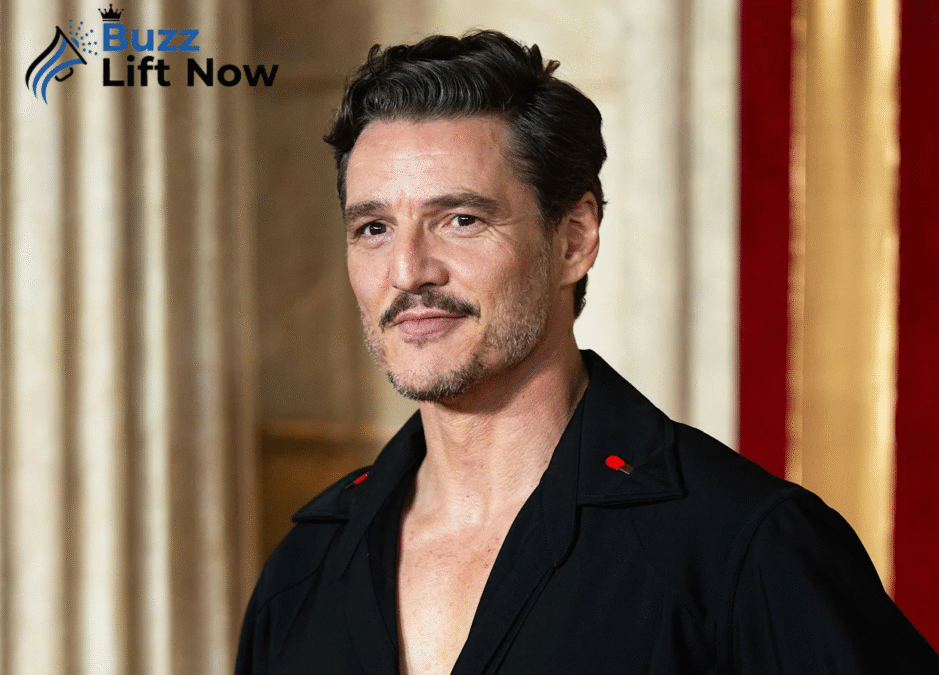

Few actors working today inspire as much admiration and curiosity as Pedro Pascal. From his breakout role as Oberyn Martell in Game of Thrones to leading global hits like The Mandalorian and The Last of Us, his rise has been both rapid and deeply impactful. Alongside his professional success, fans frequently ask personal questions, and one of the most searched queries online is is Pedro Pascal gay.
This question reflects genuine curiosity, but it also opens the door to a broader conversation about privacy, representation, and how public figures navigate identity in the spotlight. In this in-depth article, we explore where the question is Pedro Pascal gay comes from, what Pedro Pascal himself has shared publicly, and why the discussion matters beyond simple labels. The goal is clarity, context, and respect, not speculation.
By the end, you’ll have a full, nuanced understanding of the topic, grounded in verified information and framed through a lens of empathy and media literacy.
Pedro Pascal’s Background and Rise to Fame
To understand why people ask is Pedro Pascal gay, it helps to first understand who Pedro Pascal is and how he became such a visible figure in modern pop culture. Born José Pedro Balmaceda Pascal in Santiago, Chile, he and his family fled the country during the Pinochet dictatorship and eventually settled in the United States. That early experience of displacement and resilience shaped much of his worldview and artistic sensitivity.
Pedro Pascal studied acting at New York University’s Tisch School of the Arts and spent years working steadily in theater and television. His early career included guest appearances on shows like Buffy the Vampire Slayer, The Good Wife, and Narcos. These roles showcased his versatility and emotional depth, building a foundation that later allowed him to step into more prominent leading roles.
As his fame grew, so did public interest in his personal life. Like many celebrities, Pascal found that audiences often blur the line between the characters he portrays and the person he is in real life. This blending of fiction and reality plays a major role in why questions like is Pedro Pascal gay continue to trend online.
Why Fans Ask “Is Pedro Pascal Gay?”
The question is Pedro Pascal gay does not arise in a vacuum. Several cultural and media factors contribute to its popularity. One key reason is the nature of the roles Pedro Pascal often plays. Many of his characters are emotionally complex, expressive, and defy traditional masculine stereotypes. This depth resonates with a wide audience, including LGBTQ+ viewers who see aspects of themselves reflected in his performances.
Another factor is Pedro Pascal’s outspoken support for LGBTQ+ rights. He has publicly advocated for equality, attended Pride-related events, and consistently used his platform to promote inclusion. In an entertainment landscape where allyship still matters, this visible support sometimes leads people to wonder whether it reflects personal identity, prompting the recurring question is Pedro Pascal gay.
Social media culture also amplifies speculation. Short clips, interviews taken out of context, and fan discussions can quickly turn curiosity into assumption. In many cases, the question says more about audience perception than about Pedro Pascal himself.
Pedro Pascal’s Own Words on Sexuality and Identity
When addressing whether is Pedro Pascal gay, it’s essential to focus on what Pedro Pascal has actually said. To date, he has not publicly identified himself as gay, nor has he labeled his sexual orientation in any definitive way. He has been clear, however, about his values and his commitment to standing alongside marginalized communities.
In multiple interviews, Pascal has emphasized the importance of love, acceptance, and human dignity. He often speaks about gender and sexuality as spectrums rather than rigid categories. This perspective aligns with contemporary understandings of identity but does not equate to a personal declaration.
Pedro Pascal has also spoken lovingly about his family, including his sister Lux Pascal, who is openly transgender. His vocal support for her has been widely praised and is often cited when people ask is Pedro Pascal gay. However, supporting a loved one or advocating for LGBTQ+ rights does not automatically define one’s own sexual orientation.
Separating On-Screen Roles From Real Life
Another reason the question is Pedro Pascal gay persists is the power of storytelling. Actors like Pedro Pascal inhabit their roles so fully that audiences feel a strong emotional connection. When those roles challenge traditional gender norms or explore vulnerability, viewers sometimes project those qualities onto the actor himself.
Pedro Pascal’s performances often emphasize emotional openness, empathy, and relational depth. These traits are still unfairly gendered in popular culture, leading some to associate them with assumptions about sexuality. In reality, these qualities simply reflect good acting and thoughtful character development.
Understanding this distinction is crucial. Appreciating Pedro Pascal’s work does not require labeling his personal life. In fact, respecting that boundary allows audiences to engage more deeply with the art itself.
Media Speculation and the Ethics of Curiosity
The ongoing interest in is Pedro Pascal gay also highlights a broader issue in celebrity culture: the ethics of curiosity. While public figures accept a degree of scrutiny, they are not obligated to disclose every aspect of their private lives. Sexual orientation, in particular, remains deeply personal.
Speculation can sometimes cross into invasive territory, especially when it pressures individuals to define themselves for public consumption. Pedro Pascal has managed this balance by being open about his values while maintaining privacy about his romantic life. This approach sets a healthy example in an era of oversharing.
Media literacy plays a role here. Readers and fans benefit from asking why certain questions trend and what assumptions underlie them. The question is Pedro Pascal gay becomes less about finding a definitive answer and more about examining how society relates to fame, masculinity, and representation.
Representation, Allyship, and Why It Matters
Even without a public label, Pedro Pascal’s impact on representation is significant. His consistent allyship has made him a beloved figure within LGBTQ+ communities. He speaks up when it counts, uses inclusive language, and supports causes that promote equality.
This visibility matters because representation is not limited to identity alone. It also includes behavior, advocacy, and the willingness to challenge harmful norms. In that sense, the focus on is Pedro Pascal gay sometimes misses the bigger picture of what he contributes culturally.
By normalizing compassion and inclusivity, Pedro Pascal helps create space for others to live authentically. That influence arguably matters more than any label could.
Respecting Privacy in the Age of Search
Search engines reflect collective curiosity, and the popularity of is Pedro Pascal gay shows how personal questions often become public property online. Yet respect remains essential. Pedro Pascal has chosen not to define his sexuality publicly, and that choice deserves acknowledgment.
Privacy does not diminish public relevance. In fact, it can enhance trust and authenticity. By allowing Pedro Pascal to exist beyond speculation, audiences can appreciate his work without reducing him to a single question.
This respectful approach aligns with modern standards of ethical journalism and responsible fandom, where interest is balanced with empathy.
Conclusion
So, is Pedro Pascal gay? Based on publicly available and verified information, Pedro Pascal has not identified himself as gay or publicly defined his sexual orientation. What he has clearly demonstrated is unwavering support for LGBTQ+ rights, deep respect for individuality, and a commitment to using his platform responsibly.
The ongoing fascination with this question reflects broader cultural shifts around identity, representation, and the desire for connection with public figures. However, the most accurate and respectful answer acknowledges both curiosity and boundaries.
Pedro Pascal’s legacy is built on talent, empathy, and advocacy. Whether on screen or off, he continues to inspire audiences worldwide, reminding us that identity is personal and respect is universal.
Frequently Asked Questions
Is Pedro Pascal gay according to official statements?
Pedro Pascal has not made any official statement identifying himself as gay. He has chosen to keep his sexual orientation private while openly supporting LGBTQ+ rights.
Why do people often ask is Pedro Pascal gay?
People ask is Pedro Pascal gay due to his expressive acting style, emotionally nuanced roles, and strong public support for LGBTQ+ communities, which sometimes leads to assumptions.
Has Pedro Pascal spoken about LGBTQ+ issues?
Yes, Pedro Pascal has frequently spoken in support of LGBTQ+ rights and has been especially vocal in supporting his transgender sister and the broader community.
Does Pedro Pascal’s allyship mean he is part of the LGBTQ+ community?
Allyship does not define sexual orientation. Supporting equality and inclusion does not automatically indicate personal identity.
Should fans focus on Pedro Pascal’s personal life?
While curiosity is natural, focusing on Pedro Pascal’s work, values, and advocacy respects his privacy and honors his contributions more meaningfully.