
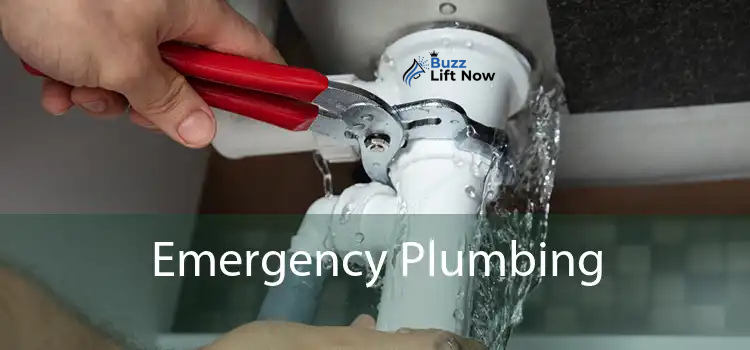

Emergency plumbing is something most homeowners and business owners never think about until disaster strikes. A burst pipe at midnight, an overflowing toilet before guests arrive, or a water heater leaking all over the basement can turn an ordinary day into a stressful emergency. When water damage spreads quickly, every minute counts. That’s where emergency plumbing services step in.
Unlike routine plumbing maintenance, emergency plumbing focuses on urgent repairs that cannot wait. These situations require fast action, professional expertise, and the right tools to prevent costly structural damage, mold growth, and expensive restoration work. Whether you are dealing with a sudden pipe burst or a blocked sewer line, understanding how emergency plumbing works can save you time, money, and stress.
In this in-depth guide, you’ll learn what qualifies as emergency plumbing, common problems that require immediate attention, how to respond before a plumber arrives, and how to choose the right 24/7 plumbing service. This article is designed to align with informational and transactional search intent, helping you both understand emergency plumbing and make confident hiring decisions.
What Is Emergency Plumbing?
Emergency plumbing refers to urgent plumbing services provided outside normal business hours to address critical issues that pose immediate risks. These services are available 24 hours a day, including weekends and holidays, because plumbing emergencies rarely happen at convenient times.
A standard plumbing issue, such as a slow-draining sink, may not require emergency plumbing. However, situations involving flooding, gas leaks, sewage backup, or no access to running water often demand immediate professional intervention.
Emergency plumbing professionals are trained to quickly assess the severity of the issue, isolate the source of damage, and perform temporary or permanent repairs. Their goal is to restore functionality and prevent further property damage.
Common Situations That Require Emergency Plumbing
Emergency plumbing covers a wide range of urgent issues. Burst pipes are among the most common problems, especially during cold weather when water inside pipes freezes and expands. Once the pipe cracks, water can flood walls, floors, and ceilings in minutes.
Severe drain clogs that cause water to back up into sinks, bathtubs, or toilets also fall under emergency plumbing. When wastewater has nowhere to go, it can create unsanitary conditions and pose health risks.
Water heater failures are another frequent reason homeowners call for emergency plumbing. A leaking or malfunctioning water heater can damage surrounding areas and leave you without hot water, which is particularly problematic in colder climates.
Sewer line blockages and overflows represent one of the most serious emergency plumbing scenarios. Sewage backups can expose occupants to harmful bacteria and require immediate professional cleanup.
Gas line leaks, while less common, are extremely dangerous. In such cases, emergency plumbing services must be contacted immediately after ensuring personal safety and contacting local authorities if necessary.
Why Immediate Action Matters in Emergency Plumbing
Emergency plumbing is not just about convenience; it is about damage control. Water spreads rapidly, seeping into drywall, insulation, wood framing, and flooring. Within hours, moisture can create conditions favorable for mold growth.
According to guidance from reputable sources like the Environmental Protection Agency, mold can begin growing within 24 to 48 hours in damp conditions. That makes fast emergency plumbing intervention critical.
Structural damage is another major concern. Prolonged water exposure can weaken wooden beams, corrode metal components, and compromise foundations. The longer an issue remains unresolved, the higher the repair costs.
Emergency plumbing also protects electrical systems. Water and electricity are a dangerous combination, and flooding can create serious safety hazards.
Steps to Take Before Emergency Plumbing Arrives
While waiting for emergency plumbing professionals, there are important steps you can take to minimize damage. First, shut off the main water supply if the problem involves leaking or burst pipes. This single action can significantly reduce flooding.
If the emergency plumbing issue involves a specific fixture, turn off the local shutoff valve if accessible. For water heater problems, shut off the power supply to the unit.
Move valuable items away from affected areas to protect them from water damage. Use towels, buckets, or containers to contain minor leaks temporarily.
Avoid attempting complex repairs yourself. Emergency plumbing situations often require specialized tools and expertise. Improper fixes can make the problem worse.
How to Choose the Right Emergency Plumbing Service
Not all emergency plumbing providers offer the same level of service. Choosing the right company can make a significant difference in response time and repair quality.
Look for licensed and insured professionals. Licensing ensures that the technician has received proper training and meets regulatory standards. Insurance protects both you and the contractor in case of accidents or additional damage.
Check online reviews and testimonials to evaluate reputation. Reliable emergency plumbing services often have positive feedback highlighting prompt arrival times and effective solutions.
Transparency in pricing is also important. While emergency plumbing may cost more than standard services due to after-hours response, reputable companies provide clear estimates and explain charges upfront.
You can also visit trusted resources like the Better Business Bureau to verify company ratings and customer complaints.
Preventing Future Emergency Plumbing Issues
Although emergency plumbing services are essential during crises, prevention is always better than repair. Regular maintenance can significantly reduce the likelihood of sudden failures.
Annual plumbing inspections can identify small leaks, corrosion, and pressure issues before they escalate. Drain cleaning prevents buildup that could lead to severe clogs.
Insulating pipes during winter helps prevent freezing and bursting. Monitoring water pressure ensures it remains within safe limits.
If your property has older plumbing systems, consider upgrading outdated pipes. Modern materials are more resistant to corrosion and damage, reducing the need for emergency plumbing in the future.
The Cost of Emergency Plumbing Services
Emergency plumbing typically costs more than scheduled repairs due to immediate response requirements and off-hours labor. Pricing depends on the severity of the issue, time of day, and complexity of repairs.
Simple fixes may cost a few hundred dollars, while extensive water damage repairs can run into thousands. However, delaying emergency plumbing often leads to higher expenses due to structural repairs and mold remediation.
Investing in prompt emergency plumbing services often prevents long-term financial losses.
Emergency Plumbing for Businesses
Commercial properties also rely heavily on emergency plumbing services. Restaurants, hotels, offices, and retail spaces cannot afford prolonged plumbing disruptions.
A backed-up sewer line in a restaurant, for example, can halt operations and damage reputation. Quick emergency plumbing response helps businesses maintain health standards and minimize downtime.
Business owners should establish relationships with trusted emergency plumbing providers in advance. Having a reliable contact ensures faster service during critical situations.
Emergency Plumbing and Insurance Claims
Many emergency plumbing incidents are covered by homeowner insurance policies, depending on the cause of damage. Sudden and accidental events such as burst pipes are often included.
Documenting the damage with photos and contacting your insurer immediately can streamline the claims process. Emergency plumbing professionals may also provide reports detailing the cause and extent of damage.
Review your policy carefully to understand coverage limits and exclusions.
The Future of Emergency Plumbing
Technology is transforming emergency plumbing services. Advanced leak detection systems use sensors to identify water leaks before visible damage occurs. Smart shutoff valves automatically stop water flow when unusual activity is detected.
Video camera inspections allow emergency plumbing professionals to locate blockages inside pipes without invasive digging. These innovations improve efficiency and reduce repair time.
As plumbing systems become more integrated with smart home technology, emergency plumbing services will continue evolving to provide faster, more precise solutions.
Conclusion
Emergency plumbing plays a vital role in protecting homes and businesses from sudden water damage and health hazards. From burst pipes to sewer backups, these urgent situations demand immediate professional attention.
Understanding what qualifies as emergency plumbing, knowing how to respond quickly, and choosing a reputable service provider can make a significant difference during stressful situations. Preventive maintenance further reduces the likelihood of unexpected failures.
When water emergencies strike, acting swiftly and contacting a trusted emergency plumbing professional ensures safety, minimizes damage, and restores normalcy as quickly as possible.
Frequently Asked Questions
What qualifies as emergency plumbing?
Emergency plumbing includes urgent issues such as burst pipes, sewer backups, severe leaks, gas line problems, and water heater failures that require immediate professional attention to prevent serious damage.
How quickly should an emergency plumbing service arrive?
Most reputable emergency plumbing providers aim to arrive within one hour, depending on location and demand. Rapid response is essential to minimize water damage.
Is emergency plumbing more expensive?
Yes, emergency plumbing typically costs more due to after-hours service and immediate response. However, addressing issues quickly often prevents higher repair expenses later.
Can I fix an emergency plumbing issue myself?
Minor leaks may be temporarily controlled, but complex problems require professional emergency plumbing expertise. Attempting major repairs without proper training can worsen the situation.
Does homeowners insurance cover emergency plumbing?
Coverage depends on the cause of the issue. Sudden accidental damage is often covered, but neglect or gradual wear and tear may not be included. Always review your policy details.