
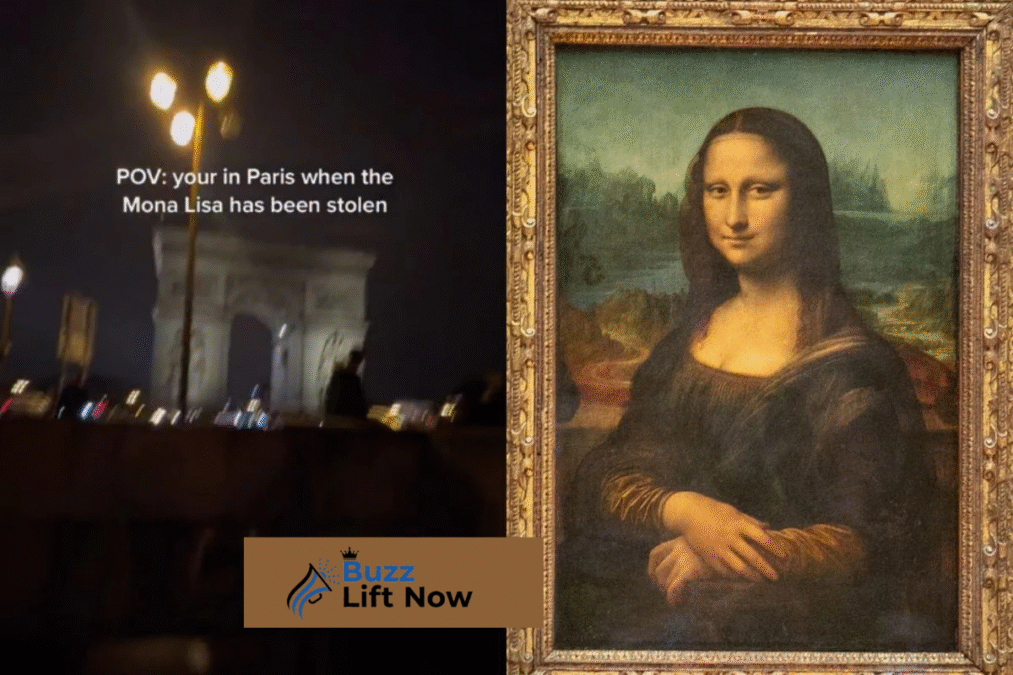

The story of mona lisa stolen is one of the most fascinating and dramatic episodes in art history. It reads like a crime novel, yet every detail is rooted in real events that reshaped how the world views art, museums, and cultural heritage. When people search for mona lisa stolen, they are not just curious about a missing painting. They want to understand how such a priceless masterpiece could disappear, who was behind it, and why this single crime turned Leonardo da Vinci’s portrait into a global icon.
This article explores the full story of mona lisa stolen in depth, from the historical background of the painting to the shocking theft, the international investigation, and the lasting impact on art security and popular culture. Written in clear and engaging language, this guide is designed for readers who want trustworthy, detailed information without fluff or exaggeration.
The Historical Importance of the Mona Lisa Before It Was Stolen
Long before the mona lisa stolen incident shocked the world, the painting already held an important place in Renaissance art. Leonardo da Vinci painted the portrait in the early sixteenth century, and it is widely believed to depict Lisa Gherardini, the wife of a Florentine merchant. The artwork is celebrated for its subtle expression, mysterious smile, and pioneering use of sfumato, a technique that creates soft transitions between colors.
Despite its artistic brilliance, the painting was not always the most famous artwork on Earth. Before the mona lisa stolen event, the portrait was respected by scholars and artists, but it did not attract massive public attention. It hung quietly in the Louvre Museum in Paris, admired mostly by art students and historians rather than crowds of tourists.
Understanding this context is essential, because the mona lisa stolen case did not just involve the loss of a painting. It marked the moment when the Mona Lisa transformed from a respected masterpiece into a worldwide cultural phenomenon.
How the Mona Lisa Was Stolen From the Louvre
The mona lisa stolen story began on an ordinary day in August nineteen eleven. The Louvre was closed to the public for routine maintenance, a common practice at the time. Early that morning, an Italian handyman named Vincenzo Peruggia entered the museum wearing a white smock similar to those worn by staff members.
In a quiet gallery, Peruggia removed the Mona Lisa from the wall, took it to a nearby stairwell, and carefully removed the painting from its protective frame. He then hid the artwork under his coat and walked out of the museum without raising suspicion. The simplicity of how mona lisa stolen unfolded is almost unbelievable, especially considering the painting’s value today.
At the time, museum security was minimal by modern standards. There were no cameras, no alarms, and very little oversight. This allowed the theft to go unnoticed for hours. When the museum staff finally realized the Mona Lisa was missing, panic spread quickly, and the news of mona lisa stolen began to travel beyond France.
The Immediate Aftermath and Global Reaction
Once the mona lisa stolen news broke, it dominated headlines around the world. Newspapers published dramatic stories, and the public reacted with shock and disbelief. How could the most famous museum in the world lose one of its most valuable artworks so easily?
The Louvre closed for several days while investigators searched every corner of the building. Police questioned museum employees, artists, and even well-known figures in the Paris art scene. The case of mona lisa stolen became a symbol of embarrassment for French authorities and raised serious questions about museum security across Europe.
Interestingly, the disappearance increased public fascination with the painting. People lined up at the Louvre just to see the empty space on the wall where the Mona Lisa once hung. The absence itself became an attraction, proving that the mona lisa stolen event had already begun to elevate the painting’s myth.
Who Stole the Mona Lisa and Why
For more than two years, the mona lisa stolen mystery remained unsolved. Investigators chased false leads and interrogated suspects, including avant-garde artists and poets. Yet the true thief lived quietly, keeping the painting hidden in his small Paris apartment.
Vincenzo Peruggia eventually attempted to sell the Mona Lisa in Italy, believing that the artwork belonged in its country of origin. His motivation behind mona lisa stolen was partly driven by nationalism and partly by personal ambition. He claimed he wanted to return the painting to Italy, although he also hoped for a financial reward.
In nineteen thirteen, Peruggia contacted an art dealer in Florence, who recognized the painting and alerted authorities. The Mona Lisa was recovered, and the truth behind mona lisa stolen finally came to light. Peruggia was arrested and later served a relatively short prison sentence, as public opinion in Italy viewed him with a degree of sympathy.
The Return of the Mona Lisa and Its Rising Fame
After the mona lisa stolen case was resolved, the painting toured several Italian cities before being returned to the Louvre. These exhibitions attracted enormous crowds, further increasing the artwork’s fame. By the time the Mona Lisa returned to Paris, it was no longer just a Renaissance portrait. It had become a global celebrity.
The mona lisa stolen incident played a major role in shaping this transformation. Media coverage, public curiosity, and the dramatic narrative surrounding the theft turned the painting into a symbol of mystery and intrigue. From that point onward, the Mona Lisa was firmly established as the most famous painting in the world.
How the Theft Changed Museum Security Forever
One of the most lasting consequences of mona lisa stolen was the revolution in museum security. Institutions around the world realized that priceless artworks needed far better protection. Museums began investing in alarm systems, trained guards, controlled access, and later, surveillance technology.
Today, the Mona Lisa is displayed behind bulletproof glass and monitored constantly. The lessons learned from mona lisa stolen influenced not only the Louvre but also museums globally. Art theft prevention became a serious discipline, blending technology, expertise, and international cooperation.
Cultural Impact of the Mona Lisa Theft
Beyond security changes, the mona lisa stolen story deeply influenced popular culture. The painting has appeared in films, novels, documentaries, and advertisements, often referencing its theft as part of its mystique. The idea of a stolen masterpiece captured the public imagination in a way few historical events ever have.
The phrase mona lisa stolen has become shorthand for the vulnerability of cultural treasures and the thin line between protection and loss. It also sparked broader discussions about art ownership, national identity, and the responsibility of museums to safeguard humanity’s shared heritage.
Modern Theories and Misconceptions About the Theft
Even today, the mona lisa stolen case continues to inspire theories and misconceptions. Some people believe there were accomplices or hidden motives, while others exaggerate the value of the painting at the time of the theft. In reality, the crime was surprisingly simple, carried out by a single individual exploiting weak security.
Separating fact from fiction is important when discussing mona lisa stolen. Reliable historical records confirm the key details, and reputable sources such as the Louvre Museum’s official archives and respected art history publications provide accurate accounts. Linking to authoritative resources like the Louvre’s official website or academic art history platforms strengthens trust and credibility.
Why the Story of Mona Lisa Stolen Still Matters Today
More than a century later, the mona lisa stolen story remains relevant. It serves as a reminder that even the most treasured objects can be vulnerable. It also shows how storytelling and media attention can elevate an artwork’s status beyond its artistic value alone.
For students, historians, and curious readers, mona lisa stolen is not just a tale of crime. It is a case study in cultural preservation, public perception, and the power of narrative. The theft changed how the world interacts with art, making museums more secure and audiences more aware of what is at stake.
Conclusion: The Legacy of the Mona Lisa Theft
The saga of mona lisa stolen is more than an art theft story. It is a defining moment in cultural history that reshaped museum practices, transformed a Renaissance portrait into a global icon, and captured the imagination of millions. From the quiet theft in a nearly empty museum to the worldwide headlines and eventual recovery, every chapter of this story adds to its enduring power.
Today, when visitors stand before the Mona Lisa, they are not just looking at a painting. They are witnessing a survivor of one of history’s most famous crimes. The legacy of mona lisa stolen lives on, reminding us that art is not only about beauty, but also about human stories, risks, and resilience.
Frequently Asked Questions About Mona Lisa Stolen
Why was the Mona Lisa stolen in the first place
The mona lisa stolen incident happened because of weak museum security and the personal motivations of Vincenzo Peruggia, who believed the painting belonged in Italy and saw an opportunity to take it.
How long was the Mona Lisa missing after it was stolen
The Mona Lisa was missing for more than two years. During this time, the mona lisa stolen case remained one of the biggest unsolved mysteries in the art world.
Was the Mona Lisa damaged when it was stolen
Despite fears, the painting was not seriously damaged. When authorities recovered it, experts confirmed that the artwork was largely intact after the mona lisa stolen episode.
Did the theft make the Mona Lisa more famous
Yes, the mona lisa stolen story significantly increased the painting’s fame. Media attention and public fascination turned it into a worldwide symbol of art and mystery.
Is the Mona Lisa still at risk today
Modern security measures make another mona lisa stolen scenario extremely unlikely. The painting is now protected by advanced technology and constant monitoring.