
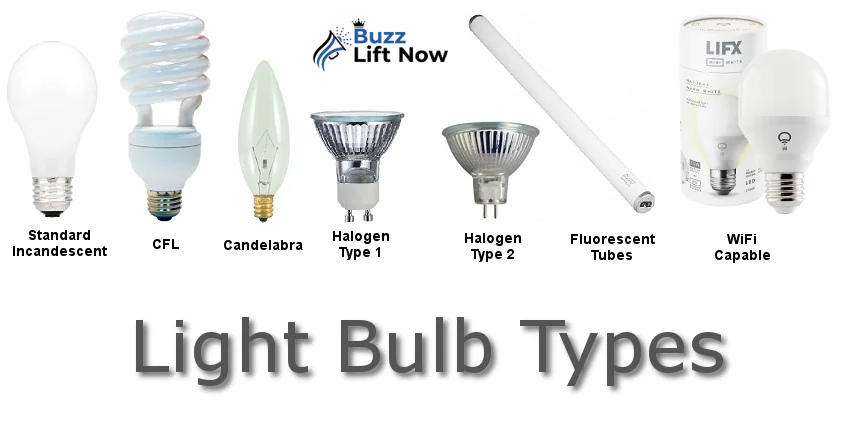

The incandescent light bulb is one of the most recognizable and historically important inventions in modern technology. For more than a century, the illuminated homes, streets, factories, and schools, shaping the way humans experience light after sunset. Even today, when energy-efficient lighting dominates the market, the incandescent light bulb continues to attract interest because of its warm glow, simple design, and nostalgic appeal.
At its core, the works on a straightforward principle: electricity heats a thin filament until it glows. This simplicity made the affordable, reliable, and easy to manufacture, which explains its rapid global adoption. Although newer technologies such as LEDs and compact fluorescent lamps have reduced its dominance, the it still holds a unique place in lighting history and modern applications.
This in-depth guide explores the incandescent light bulb from every angle, including how it works, its history, advantages, limitations, environmental impact, and future relevance. Whether you are a student, homeowner, or lighting enthusiast, understanding the it provides valuable insight into how lighting technology evolved and where it stands today.
The History and Evolution of the Incandescent Light Bulb
The story of this is closely tied to the industrial revolution and the quest for safe, reliable artificial lighting. Early experiments with glowing wires date back to the early nineteenth century, but these early versions were inefficient and short-lived. The breakthrough came when inventors learned how to create a vacuum or inert gas environment inside the bulb, allowing the filament to last longer.
Thomas Edison is often credited with popularizing this not because he invented it first, but because he refined it into a practical, commercially viable product. His improvements to filament materials and electrical systems allowed the to be used widely in homes and businesses. Soon after, cities around the world began installing electric lighting, replacing gas lamps and candles.
Over time, the evolved through improved filaments, better glass designs, and the introduction of tungsten, which became the standard filament material. These advancements increased brightness and lifespan while keeping production costs low. By the mid-twentieth century, the had become the global standard for indoor lighting.
How an Incandescent Light Bulb Works
Understanding how an this works helps explain both its strengths and its weaknesses. Inside every This is a thin filament, usually made of tungsten. When electricity flows through this filament, resistance causes it to heat up to extremely high temperatures. As the filament heats, it emits visible light.
The glass bulb surrounding the filament plays a crucial role. It prevents oxygen from reaching the hot filament, which would cause it to burn out instantly. Some designs use a vacuum, while others fill the bulb with inert gases such as argon or nitrogen to extend filament life.
The light produced by an incandescent light bulb has a continuous spectrum, which closely resembles natural sunlight. This is why colors appear rich and accurate under incandescent lighting. However, most of the energy consumed by an incandescent light bulb is released as heat rather than light, making it far less efficient than modern alternatives.
Key Characteristics of the Incandescent Light Bulb
This is known for its warm color temperature, typically around 2700 Kelvin. This warm light creates a cozy and inviting atmosphere, which is why many people still prefer it lighting in living rooms, bedrooms, and decorative fixtures.
Another defining characteristic of this is instant brightness. Unlike some energy-saving bulbs that take time to warm up, an it reaches full brightness the moment it is switched on. Dimming is also smooth and natural, with no flicker or buzzing, making this ideal for use with traditional dimmer switches.
Despite these appealing features, the incandescent light bulb has a relatively short lifespan compared to modern lighting options. Most standard incandescent light bulb models last around 1,000 hours, which means frequent replacements for high-use areas.
Advantages of Using an Incandescent Light Bulb
One of the main advantages of this is its excellent color rendering. Because the light spectrum is continuous, objects appear natural and vibrant. This makes it a favorite choice for photographers, artists, and anyone who values accurate color perception.
Another advantage is affordability. The upfront cost of an incandescent light bulb is usually lower than that of LEDs or smart lighting systems. This low purchase price made the incandescent light bulb accessible to households worldwide for decades.
Ease of use is another strength. This works with almost any fixture and electrical system, without the need for special drivers or electronics. Its compatibility with dimmers and simple design contribute to its continued popularity in specific settings.
Limitations and Drawbacks of the Incandescent Light Bulb
Despite its benefits, the incandescent light bulb has significant drawbacks that have led to its decline. The most notable issue is inefficiency. A large portion of the electricity consumed by an incandescent light bulb is converted into heat rather than visible light. This inefficiency increases energy costs and contributes to unnecessary heat buildup in indoor spaces.
The short lifespan of this also results in frequent replacements, which can be inconvenient and costly over time. From an environmental perspective, the increased energy consumption associated with it use leads to higher carbon emissions when electricity is generated from fossil fuels.
These limitations prompted governments and manufacturers to explore more efficient lighting technologies, leading to widespread adoption of alternatives.
Environmental Impact of the Incandescent Light Bulb
The environmental impact of this is closely tied to its energy inefficiency. Because it uses more electricity to produce the same amount of light as an LED, widespread use of the incandescent light bulb places a greater demand on power plants. This increased demand results in higher greenhouse gas emissions and greater strain on natural resources.
On the positive side, the incandescent light bulb does not contain hazardous materials such as mercury, which is found in some fluorescent lamps. Disposal is relatively simple compared to other lighting technologies. However, the overall environmental footprint of the incandescent light bulb remains higher due to energy use over its lifetime.
Many countries introduced regulations to phase out or limit the sale of traditional incandescent light bulb models, encouraging consumers to switch to more efficient options.
Incandescent Light Bulb vs Modern Lighting Technologies
When comparing the incandescent light bulb to modern lighting solutions, the differences become clear. LED bulbs use a fraction of the energy and can last tens of thousands of hours. Compact fluorescent lamps also offer improved efficiency, though they come with disposal concerns.
However, the incandescent light bulb still excels in areas such as light quality, warmth, and simplicity. For applications where lighting is used infrequently or where ambiance is more important than efficiency, the incandescent light bulb remains a practical choice.
Hybrid designs and halogen it variants have attempted to bridge the gap by improving efficiency while retaining familiar characteristics. These models offer slightly better performance but still cannot match the efficiency of LEDs.
Current Uses of the Incandescent Light Bulb
Although no longer the default choice, this is still used in specific scenarios. Decorative fixtures, vintage-style lamps, and appliances such as ovens and refrigerators often rely on technology. The warm glow and compact design make it suitable for these applications.
Some people also prefer the incandescent light bulb for its predictable performance with dimmers and its lack of electronic components. In areas where lighting quality is prioritized over energy savings, this continues to hold value.
For more information on modern lighting choices, you can explore related content such as energy-efficient home lighting guides or smart lighting comparisons on this website. External resources like the U.S. Department of Energy and the International Energy Agency also provide authoritative insights into lighting efficiency and energy use.
The Future of the Incandescent Light Bulb
The future of this is more specialized than universal. While mass adoption has declined, niche markets continue to support its production. Innovations such as improved filament designs and enhanced coatings aim to reduce energy loss while maintaining the qualities people love.
As lighting technology evolves, this serves as a reminder of how simple ideas can transform the world. Its legacy influences modern design, and its warm light continues to inspire new lighting products that replicate its glow using efficient technologies.
Conclusion: Why the Incandescent Light Bulb Still Matters
This is more than just a lighting device; it is a symbol of human ingenuity and progress. From its humble beginnings to its widespread adoption and gradual replacement, This has played a vital role in shaping modern life.
While it may no longer be the most efficient option,This remains relevant for its light quality, simplicity, and historical significance. Understanding the incandescent light bulb helps consumers make informed lighting choices and appreciate the evolution of everyday technology.
As energy-efficient alternatives continue to improve, the it’s influence will live on through designs that strive to capture its warmth and familiarity.
Frequently Asked Questions About the Incandescent Light Bulb
What is an incandescent light bulb used for today?
An incandescent light bulb is commonly used in decorative fixtures, vintage-style lamps, and certain appliances where warm light and compatibility with simple fixtures are important.
Why are incandescent light bulbs considered inefficient?
The incandescent light bulb is inefficient because most of the electrical energy it consumes is converted into heat rather than visible light, leading to higher energy use.
Do incandescent light bulbs produce better light quality?
Many people believe the incandescent light bulb produces superior light quality due to its continuous spectrum and warm color temperature, which enhances color accuracy.
Are incandescent light bulbs being banned worldwide?
In many countries, regulations limit the sale of traditional incandescent light bulb models to encourage energy efficiency, but specialized and halogen versions are still available.
Is it safe to use an incandescent light bulb at home?
Yes, an incandescent light bulb is safe when used correctly, but it can become very hot, so proper fixtures and handling are important.