
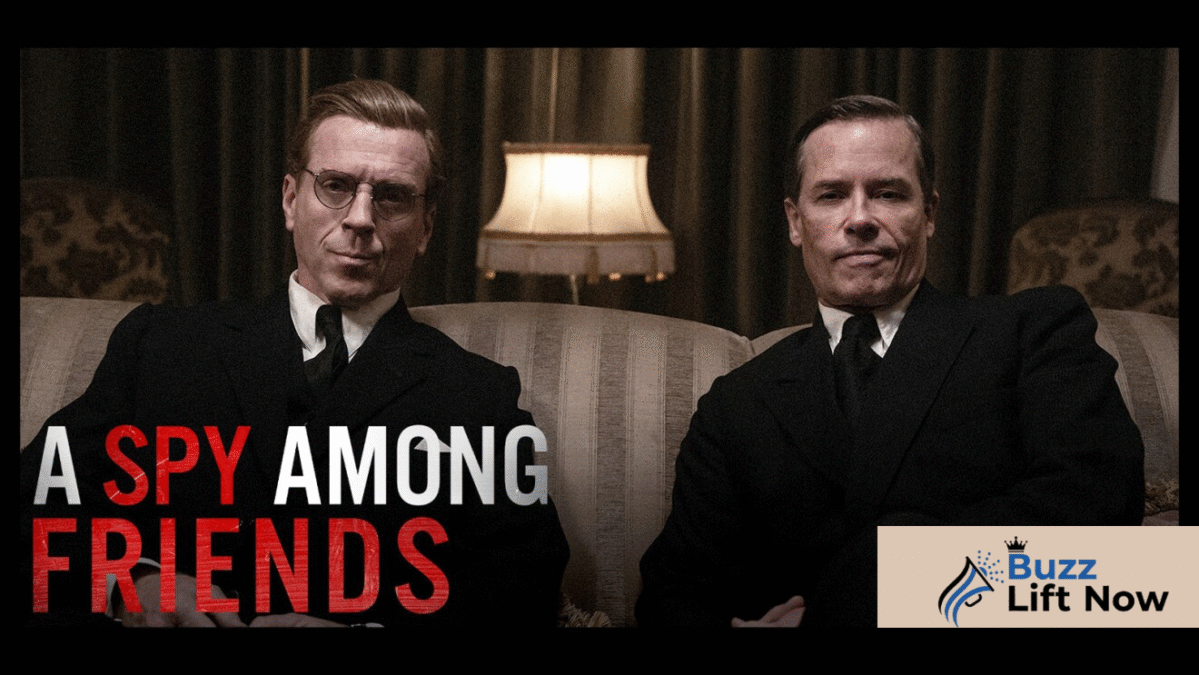

A Spy Among Friends is a powerful story about friendship, loyalty, and betrayal set in the secretive world of intelligence. At first glance, it may sound like a thrilling spy tale—and it is—but it’s also much more than that. This story shows how trust can be broken, how secrets can destroy relationships, and how even close friends may hide dangerous truths. Based on real events, a spy among friends teaches us lessons that still matter today.
Written by historian and author Ben Macintyre, A Spy Among Friends explores the true story of Kim Philby, one of the most infamous double agents in history, and his close friendship with Nicholas Elliott, a senior British intelligence officer. Through careful research and engaging storytelling, the book opens a window into the hidden world of Cold War espionage.
Let’s dive in, step by step, and explore what makes a spy among friends such an important and fascinating topic.
Understanding A Spy Among Friends
At its core, a spy among friends is a true historical account of espionage during the Cold War. It focuses on Kim Philby, a high-ranking British intelligence officer who secretly worked as a spy for the Soviet Union for many years. What makes this story stand out is not just the spying itself, but the deep personal relationships involved.
Philby was not an outsider. He was trusted, respected, and even admired by his colleagues. He belonged to a close-knit group of friends, many of whom worked in British intelligence. One of these friends was Nicholas Elliott, who believed in Philby until the very end.
This mix of friendship and betrayal gives a spy among friends its emotional weight and lasting impact.
The Historical Background of A Spy Among Friends
To understand a spy among friends, we need to look at the time in which it takes place.
The Cold War Era
The story is set mainly during the Cold War, a period of tension between Western countries like the United Kingdom and the United States, and Eastern Bloc nations led by the Soviet Union.
Key features of this era included:
- Fear of communism spreading
- Secret intelligence operations
- Espionage and counter-espionage
- High levels of secrecy and suspicion
During this time, intelligence agencies such as MI6 in Britain and the CIA in the United States played crucial roles. Information was power, and spies were the hidden players shaping world events.
Who Was Kim Philby?
Kim Philby is the central figure in a spy among friends, and his story is both shocking and complex.
Early Life and Education
Philby was born into a well-connected British family. He attended elite schools and later studied at Cambridge University. While at Cambridge, he was influenced by communist ideas, which later shaped his actions.
Career in Intelligence
Philby rose quickly within British intelligence. He held important positions and gained access to sensitive information. To his colleagues, he seemed loyal and capable.
But behind the scenes, Philby was secretly passing information to the Soviet Union.
A Master of Deception
Philby’s success as a spy came from his ability to blend in. He was charming, intelligent, and friendly. Nobody suspected that a spy among friends was hiding in plain sight.
The Role of Nicholas Elliott in A Spy Among Friends
Nicholas Elliott plays a key role in a spy among friends. He was a senior MI6 officer and one of Philby’s closest friends.
A Bond Built on Trust
Elliott and Philby shared:
- Similar backgrounds
- Shared social circles
- Professional respect
- Personal friendship
This trust made it difficult for Elliott to believe that Philby could be a traitor.
The Pain of Betrayal
When evidence against Philby became overwhelming, Elliott was deeply affected. He struggled to balance his duty as an intelligence officer with his loyalty as a friend. This emotional conflict is one of the most powerful parts of a spy among friends.
Friendship and Betrayal in A Spy Among Friends
One of the strongest themes in It is the idea that betrayal hurts most when it comes from someone close.
Why Friendship Matters in Espionage
In intelligence work, trust is essential. Officers rely on each other for safety, accuracy, and success. When that trust is broken, the damage can be severe.
Emotional Impact
The betrayal in a spy among friends caused:
- Emotional pain
- Loss of professional confidence
- Damage to national security
- Long-lasting guilt and regret
This story reminds us that even in serious professions, human emotions play a major role.
How A Spy Among Friends Changed British Intelligence
The exposure of Kim Philby had a lasting effect on British intelligence services.
Major Consequences
After Philby’s betrayal was revealed:
- Security procedures were tightened
- Background checks became stricter
- Trust within agencies was re-evaluated
The idea that a spy among friends could exist forced intelligence agencies to rethink how they operated.
Learning from Mistakes
While the damage was serious, lessons were learned. Intelligence organizations became more cautious and professional, aiming to prevent similar betrayals in the future.
Themes and Lessons from A Spy Among Friends
A spy among friends is not just about history. It offers lessons that apply to everyday life as well.
Key Themes
- Trust and loyalty
- Deception and secrecy
- Moral responsibility
- Human weakness
Life Lessons
Readers can learn that:
- Appearances can be misleading
- Blind trust can be dangerous
- Ethical choices matter
- Truth often comes out eventually
These lessons make a spy among friends relevant even outside the world of espionage.
A Spy Among Friends in Literature and Media
The story of This has reached a wide audience through books and screen adaptations.
The Book
Ben Macintyre’s book is praised for:
- Clear storytelling
- Strong research
- Emotional depth
- Balanced perspective
He doesn’t just tell us what happened; he helps us understand why it mattered.
Television Adaptation
The story was later adapted into a television series, bringing This to life on screen. The adaptation helped new audiences discover this important historical tale.
Why A Spy Among Friends Still Matters Today
Even though the events of a spy among friends happened decades ago, the story remains meaningful.
Modern Relevance
Today’s world still faces:
- Espionage
- Cyber spying
- Political tension
- Questions of loyalty
The story reminds us that human nature hasn’t changed. Trust is still fragile, and betrayal still hurts.
Key Figures in A Spy Among Friends
Below is a helpful table highlighting important people connected to a spy among friends:
| Name | Role | Importance |
|---|---|---|
| Kim Philby | Double Agent | Central figure and Soviet spy |
| Nicholas Elliott | MI6 Officer | Philby’s close friend |
| Ben Macintyre | Author | Wrote A Spy Among Friends |
| MI6 | British Intelligence Agency | Organization affected by betrayal |
| Soviet Intelligence | Foreign Agency | Benefited from Philby’s actions |
This table helps readers clearly understand the key players involved.
What Makes A Spy Among Friends Trustworthy and Authoritative
A spy among friends stands out because of its accuracy and careful research.
Why Readers Can Trust It
- Based on verified historical records
- Written by a respected historian
- Supported by firsthand accounts
- Reviewed by experts
The author approaches the subject with fairness, showing both the personal and political sides of the story.
Final Thoughts on A Spy Among Friends
In the end, a spy among friends is a story that stays with you. It’s about more than spies and secrets—it’s about human relationships, choices, and consequences. The tale of Kim Philby and Nicholas Elliott shows how trust can blind even the smartest people and how betrayal can shake entire institutions.
By exploring friendship, deception, and loyalty, Her teaches us valuable lessons in a clear and engaging way. Whether you’re interested in history, intelligence, or human behavior, this story offers insight and understanding.
As we reflect on a spy among friends, we’re reminded to value honesty, question assumptions, and never forget that even close friends may carry hidden truths.