
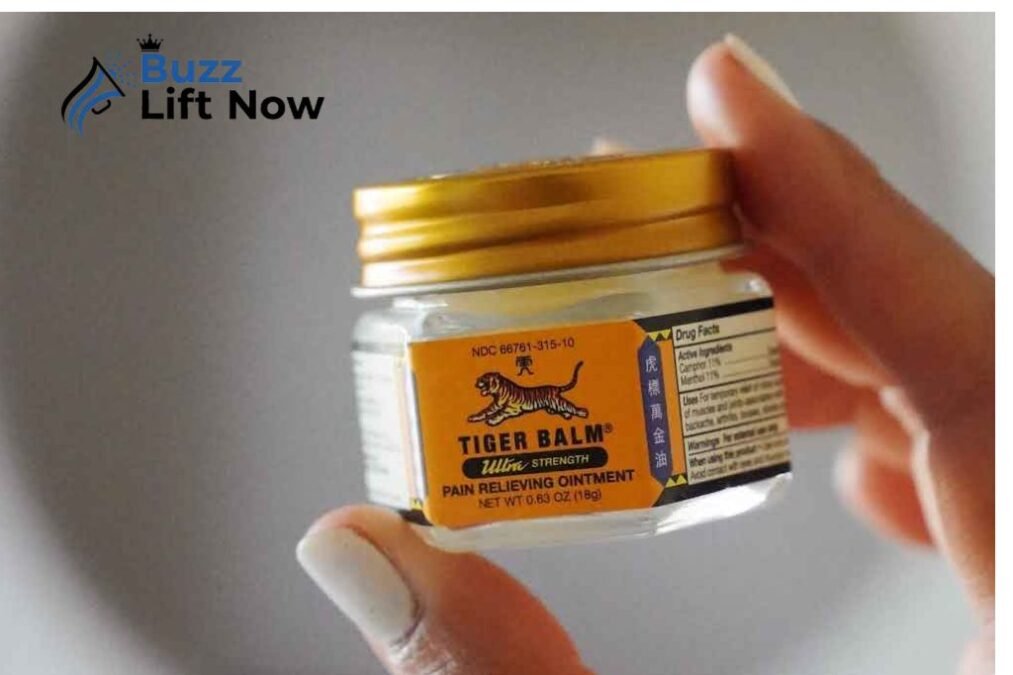

Why is Tiger Balm illegal — now that’s a question that often stops people in their tracks. Tiger Balm has been around for more than a century and is loved by millions for easing sore muscles, headaches, and everyday aches. So when people hear that it might be illegal somewhere, it sounds surprising, even a bit scary.
But here’s the real truth: Tiger Balm is not illegal in most countries. Instead, a few versions face restrictions in certain places because of health rules, labeling standards, and ingredient limits.
In this article, written in simple Grade 7 English, we’ll explore what Tiger Balm is, why some countries have rules about it, and how to use it safely. By the end, you’ll clearly understand why questions like “why is Tiger Balm illegal” appear — and what’s actually going on.
What Exactly Is Tiger Balm?
Before we dig deeper, it helps to know what Tiger Balm really is.
Tiger Balm is a medicated ointment you rub on your skin to relieve discomfort. People use it to help with:
- muscle pain
- joint aches
- back pain
- headaches
- small everyday pains
It creates a warming-cooling feeling that distracts your brain from pain. The key ingredients usually include camphor, menthol, clove oil, and cajuput oil. Together, they make that well-known tingle.
So if it’s just a simple ointment, why do people ask, why is Tiger Balm illegal?
Why Do People Think Tiger Balm Is Illegal?
A lot of confusion comes from rumors, old internet stories, and misunderstandings about import rules. In reality, Tiger Balm is widely sold across pharmacies and stores around the world.
However, some specific versions of the balm have been restricted because they didn’t match local safety rules. That’s where the idea of it being “illegal” started — and spread like wildfire.
Ingredient Rules: The Biggest Reason Behind Restrictions
To understand why is Tiger Balm illegal in some places, we need to talk about ingredient limits.
Camphor
Camphor is one of the main ingredients. It helps create that soothing sensation, but too much of it can be harmful if swallowed. Countries set limits to keep people safe — especially children.
Some older or imported versions of Tiger Balm once contained more camphor than allowed. When that happens, customs or health authorities may block the product.
Menthol and Essential Oils
Menthol and strong essential oils can irritate sensitive skin if used incorrectly. Because of that, many governments limit how strong these ingredients can be.
So it isn’t that Tiger Balm is “bad” — it’s that safety standards vary from country to country.
Health Concerns That Worry Regulators
Understanding why is Tiger Balm illegal sometimes also means looking at safety risks.
Skin Reactions
Some people may experience:
- redness
- itching
- stinging
- burning
This usually happens if the balm is rubbed on broken skin or used too often.
Swallowing or Misuse
Tiger Balm is not meant to be eaten or used near eyes and inside the nose. Accidentally swallowing it, especially for young children, can be dangerous. That’s another reason strict safety rules exist.
Wrong Label Use
Sometimes products once claimed to “cure” diseases without medical approval. When that happens, health agencies step in — because medical claims must be tested and proven first.
Labeling and Import Rules Matter Too
Another surprising part of the question why is Tiger Balm illegal relates to labels.
Every country has rules requiring clear instructions such as:
- full ingredient lists
- safety warnings
- directions for safe use
- approved medical claims only
If something is missing, the product might be stopped at the border. It’s not the ointment itself that’s illegal — just that it didn’t follow the rules.
How Different Countries Treat Tiger Balm
Here’s a simple table showing how rules can differ from place to place:
| Country or Region | Legal Status | Common Reason for Regulation |
|---|---|---|
| United States | Legal with ingredient limits | Caps on camphor levels |
| Canada | Legal with restrictions | Labeling and safety standards |
| European Union | Mostly legal | Ingredient and safety limits |
| Australia & New Zealand | Legal but regulated | Medical product approvals |
| Middle East (some countries) | Sometimes restricted | Import and ingredient rules |
| Japan | Restricted | Stricter camphor limits |
This variety explains why some people end up asking, why is Tiger Balm illegal, even when it isn’t banned everywhere.
Clearing Up Popular Myths
Let’s bust a few common myths.
Myth: Tiger Balm contains tiger parts.
Truth: The name is symbolic. No tigers are used.
Myth: Tiger Balm is banned worldwide.
Truth: It’s widely legal — with regulated formulas.
Myth: It’s dangerous for everyone.
Truth: When used as directed, most people use it safely.
Safe and Smart Ways to Use Tiger Balm
Want to stay safe and on the right side of the law? Here are simple tips:
- Use only on clean, unbroken skin.
- Keep it away from eyes, mouth, and inside the nose.
- Don’t cover large areas of your body with it.
- Wash your hands after use.
- Keep it out of reach of children.
When traveling, always check local rules and buy official, trusted brands — not questionable copies.
Final Thoughts: The Real Answer to Why Is Tiger Balm Illegal
So, why is Tiger Balm illegal? The truth is encouraging. It isn’t really “illegal” in most places. Instead, some versions are restricted because of:
- ingredient safety limits
- health protection laws
- clear labeling rules
- misuse concerns
Tiger Balm remains trusted around the world when it follows regulations and is used properly.
With the right knowledge, the mystery surrounding why is Tiger Balm illegal becomes much clearer — and a whole lot less scary.


