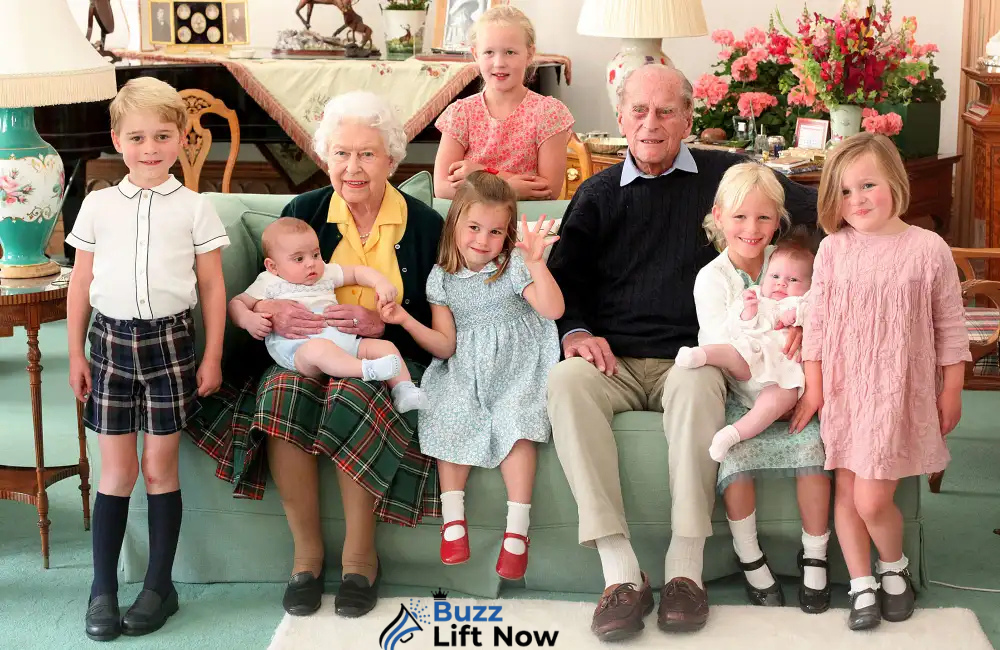

The story of Elizabeth II Grandchildren is more than just a list of royal names—it is a fascinating glimpse into the modern evolution of one of the world’s most iconic families. As the grandchildren of Queen Elizabeth II, these individuals represent a bridge between centuries-old traditions and the realities of contemporary life. From royal duties and military service to careers in business and media, each grandchild has carved a unique identity while still carrying the weight of royal heritage.
In this in-depth guide, you will discover who the Elizabeth II grandchildren are, their roles, personalities, and how they contribute to the monarchy today. Whether you are a royal enthusiast or simply curious about the British royal family, this article promises to give you a clear, engaging, and complete understanding of their lives, influence, and future.
Who Are Elizabeth II Grandchildren?
The Elizabeth II grandchildren are the eight grandchildren of Queen Elizabeth II and Prince Philip. They come from her four children: King Charles III, Princess Anne, Prince Andrew, and Prince Edward.
These grandchildren include a mix of senior royals and individuals who have chosen more private lives. Their diverse paths highlight how the monarchy has adapted over time while still maintaining its traditions.
Prince William: The Future King
Prince William stands as the most prominent among the Elizabeth II grandchildren. As the heir to the British throne, his life has been closely followed since birth. William balances royal duties with a modern approach, focusing on mental health awareness, environmental causes, and family life.
His marriage to Catherine Middleton further modernized the monarchy, showing a relatable and grounded image. William represents continuity, but also change, in the royal institution.
Prince Harry: A Different Royal Path
Prince Harry has taken a very different route compared to his brother. While once a working royal, Harry stepped back from official duties and relocated to the United States with Meghan Markle.
His journey reflects a shift in how royal family members can define their roles. Through media projects and charitable initiatives, Harry continues to maintain influence, albeit outside traditional royal structures.
Princess Beatrice: Balancing Royalty and Career
Princess Beatrice, the daughter of Prince Andrew, has managed to blend royal responsibilities with a professional career. Unlike senior royals, she works in the private sector while still appearing at important events.
Her life highlights how some Elizabeth II grandchildren maintain a connection to the monarchy without being full-time representatives.
Princess Eugenie: Advocacy and Modern Influence
Princess Eugenie is known for her advocacy work, particularly in areas like anti-slavery campaigns. She maintains a strong public presence while also working professionally in the art world.
Eugenie’s approach shows how younger royals can use their platform for meaningful causes while living relatively independent lives.
Zara Tindall: A Life Outside Royal Duties
Zara Tindall, daughter of Princess Anne, has no royal title but has gained recognition as a successful equestrian. She even won a silver medal in the Olympics, demonstrating excellence outside royal expectations.
Her life reflects the freedom granted to some Elizabeth II grandchildren, allowing them to pursue personal passions without royal constraints.
Peter Phillips: The Private Royal Grandchild
Peter Phillips is the eldest grandchild of Queen Elizabeth II. Like his sister Zara, he does not hold a royal title and lives a relatively private life.
His career in business and minimal involvement in royal duties show another side of the royal family—one that operates quietly behind the scenes.
Lady Louise Windsor: The Emerging Royal
Lady Louise Windsor, daughter of Prince Edward, has gradually become more visible in royal events. Known for her elegance and composure, she is often seen as a potential future working royal.
Her upbringing reflects a balance between privacy and preparation for public life.
James, Earl of Wessex: The Youngest Grandchild
James, Earl of Wessex is the youngest of the Elizabeth II grandchildren. He largely stays out of the spotlight, focusing on education and family life.
As he grows older, his role may evolve, but for now, he represents the quieter side of the royal lineage.
How Elizabeth II Grandchildren Are Shaping the Monarchy
The Elizabeth II grandchildren are redefining what it means to be royal in the 21st century. Some have embraced traditional duties, while others have chosen independence. This diversity allows the monarchy to remain relevant in a rapidly changing world.
Their different paths also help the royal family connect with a broader audience, from younger generations to international communities.
Public Interest and Global Influence
Interest in the Elizabeth II grandchildren extends far beyond the United Kingdom. Their lives are followed worldwide, making them influential figures in culture, media, and philanthropy.
Whether through charity work, public appearances, or personal ventures, they continue to shape the global image of the British monarchy.
FAQs About Elizabeth II Grandchildren
How many grandchildren did Queen Elizabeth II have?
Queen Elizabeth II had eight grandchildren.
Who is the oldest grandchild?
Peter Phillips is the oldest among them.
Which grandchildren are working royals?
Prince William and, previously, Prince Harry have been the most active in royal duties.
Do all grandchildren have royal titles?
No, some like Zara Tindall and Peter Phillips do not hold royal titles.
Conclusion
The story of Elizabeth II grandchildren is one of tradition meeting transformation. Each grandchild represents a different approach to royal life, from full-time duty to independent careers. Together, they form a dynamic and evolving royal family that continues to capture global attention.
As the monarchy moves forward, these individuals will play a crucial role in shaping its future. If you found this guide helpful, share your thoughts or explore more about royal history—your engagement helps keep these stories alive.
You May Also Read
LMS Meaning Text: What It Really Means in Modern Conversations